Aerodynamics
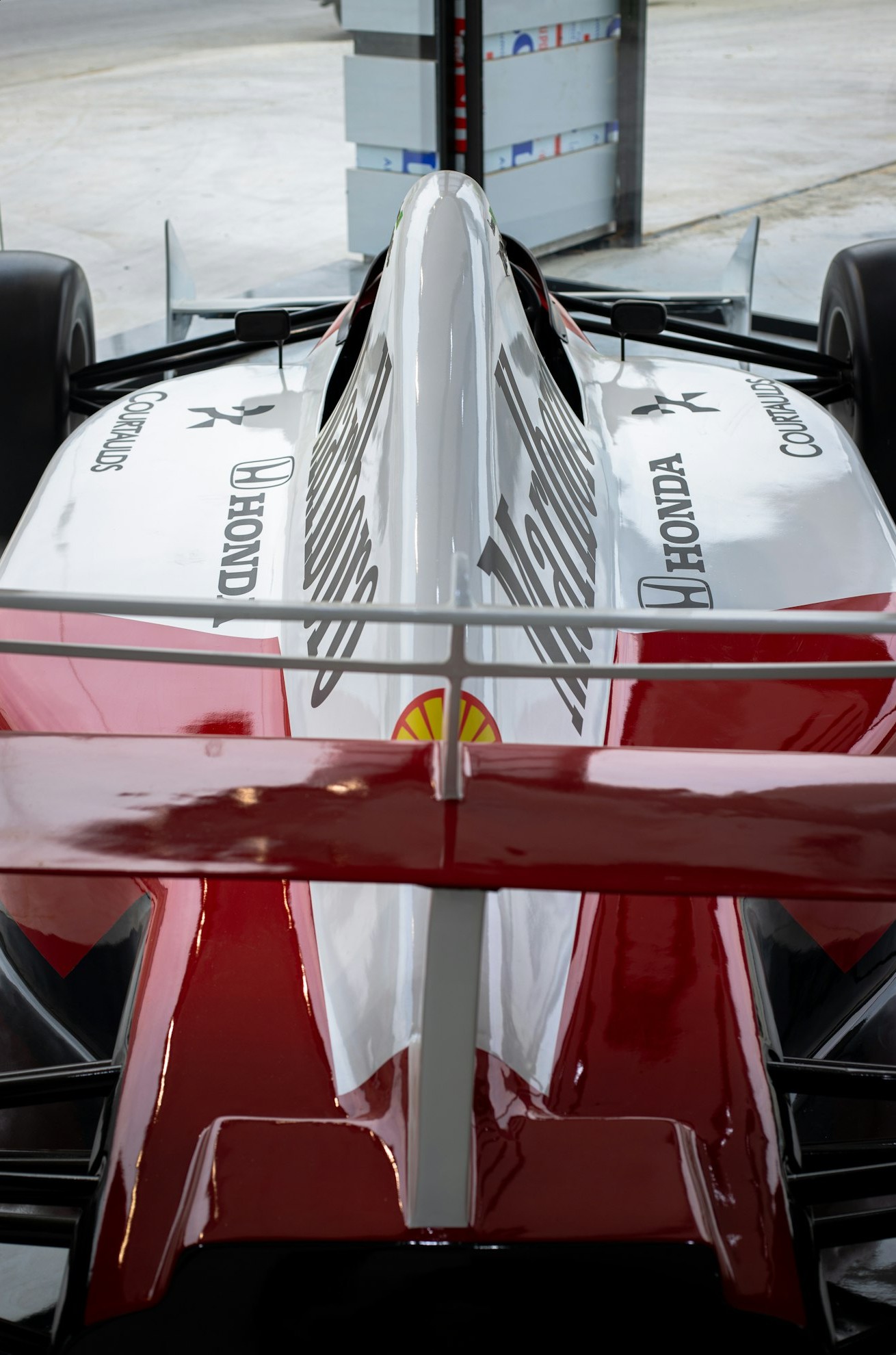
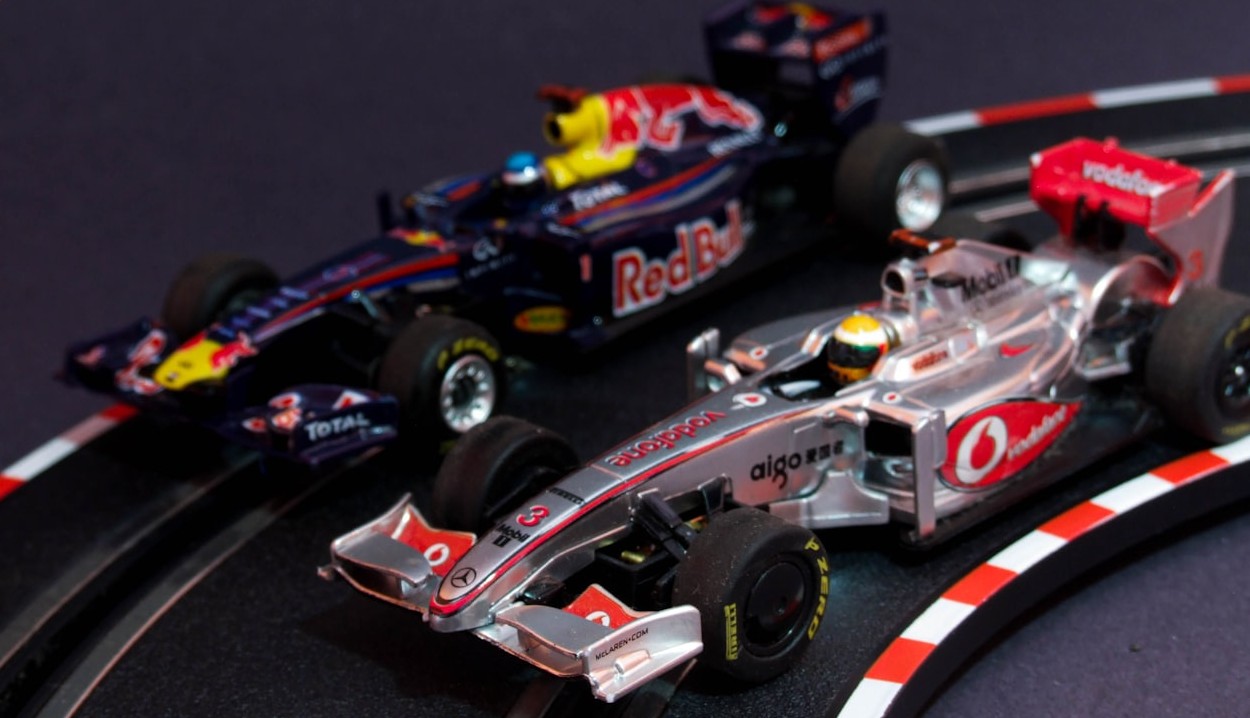
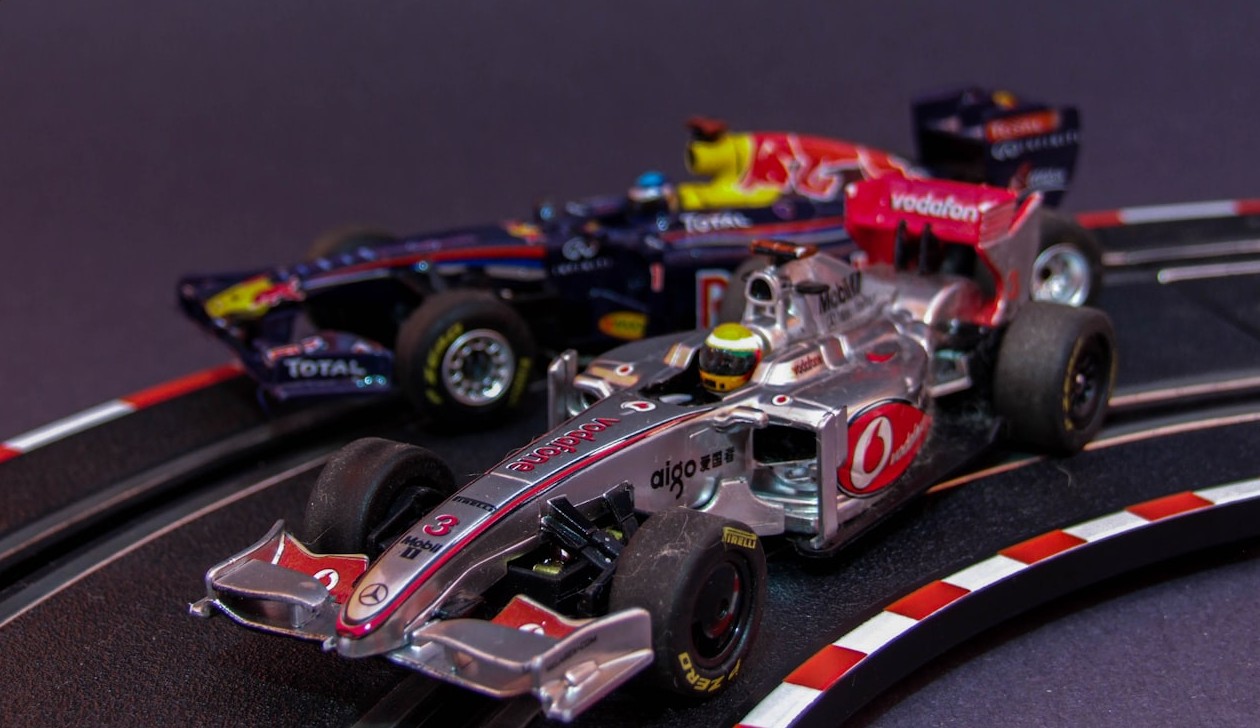
Aerodynamic innovation in Formula 1 is the story of managing air for grip and efficiency within changing rules. Wings arrived as visible add-ons in the late 1960s; later decades layered increasingly complex bodywork and floors. Reading aerodynamics historically means comparing intent across eras rather than treating any single car as a final answer.
Ground effect
Ground effect focuses on underbody airflow. Late-1970s cars made the idea central; later regulations constrained it; newer frameworks revived related concepts. The innovation is less a single invention date than a recurring design conversation between engineers and rule-makers.
Turbocharging
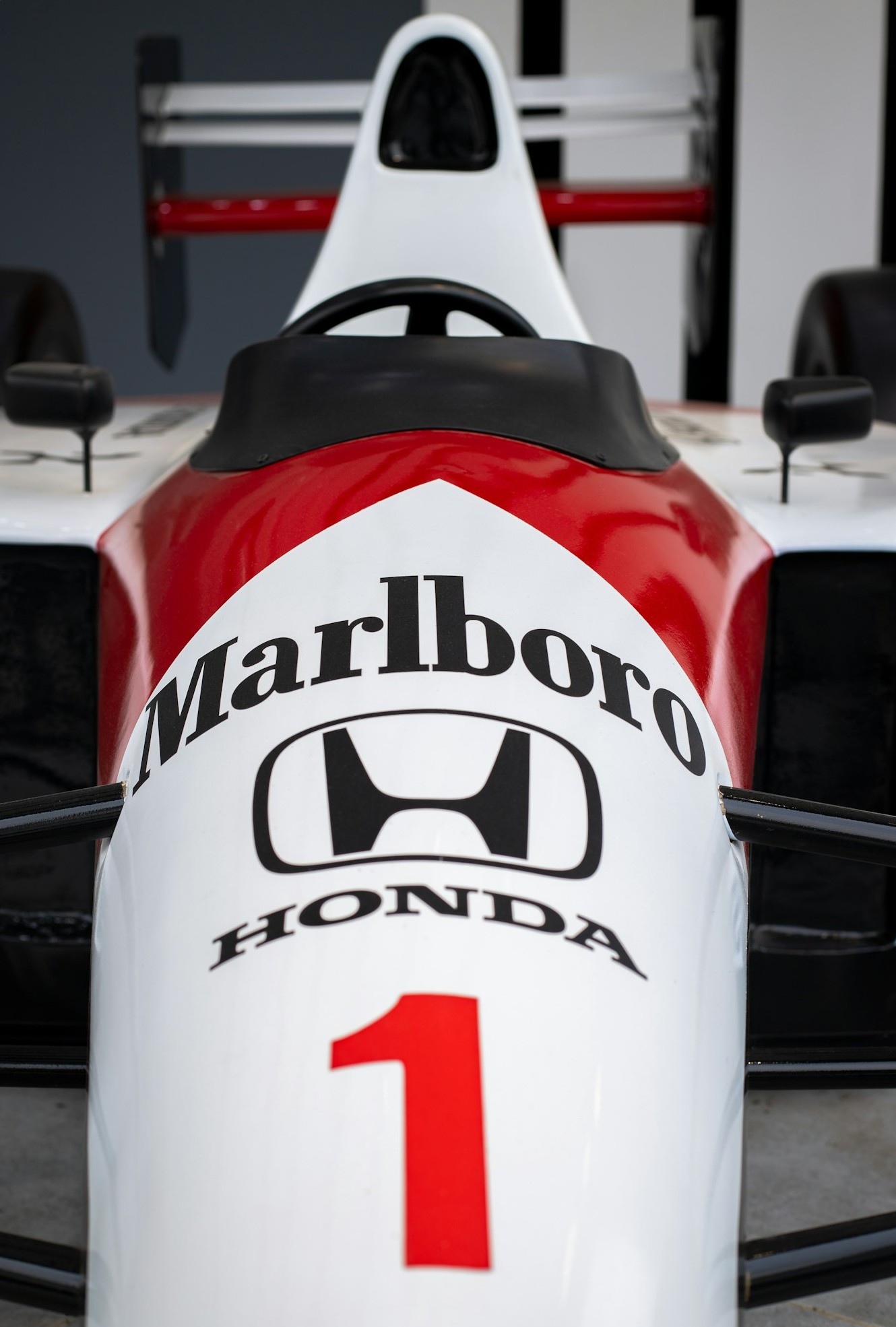
Turbocharging defined much of 1980s Formula 1 power-unit discussion. It changed cooling needs, exhaust routing, and how teams packaged the rear of the car. Comparing turbo-era machines with later designs helps explain why bodywork proportions shifted so dramatically.
Carbon chassis
Carbon-fiber monocoque construction, widely associated with early-1980s development including the McLaren MP4/1 in historical accounts, changed structural practice. Composite chassis thinking influenced stiffness, crash structures, and how other systems attach to the core of the car.
Hybrid power units
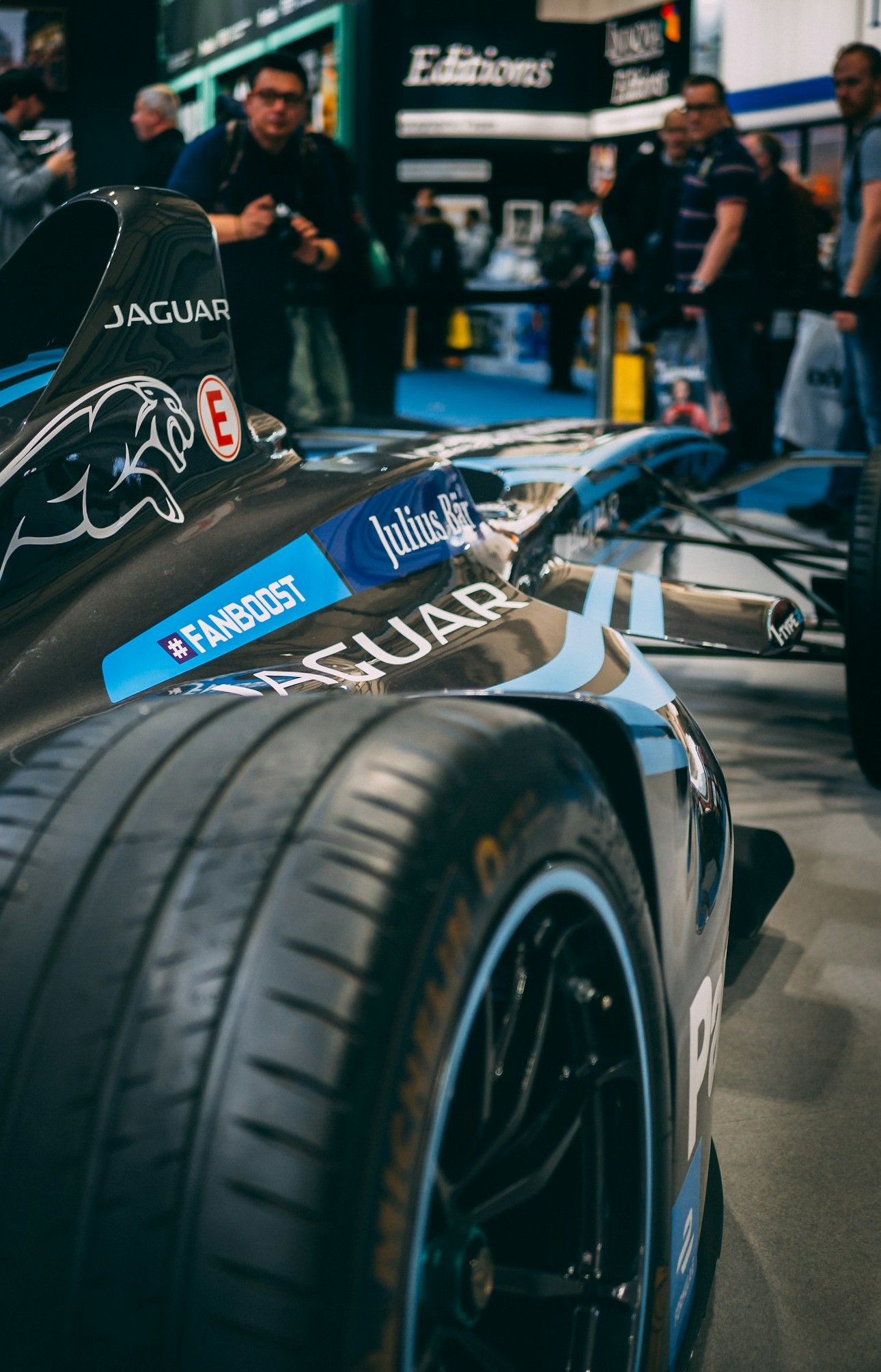
Hybrid regulations from 2014 combined internal combustion with energy recovery systems. The innovation is as much about packaging and thermal management as about headline power figures. Modern cars illustrate how tightly electrical and mechanical systems must share space.
Regulation-driven design
Many Formula 1 “innovations” are responses to a rulebook: what is permitted, limited, or required. Understanding that dynamic helps readers interpret sudden silhouette changes without inventing conspiracies or unverified claims. For related reading, see Engineering and Car Evolution.