Early championship machines
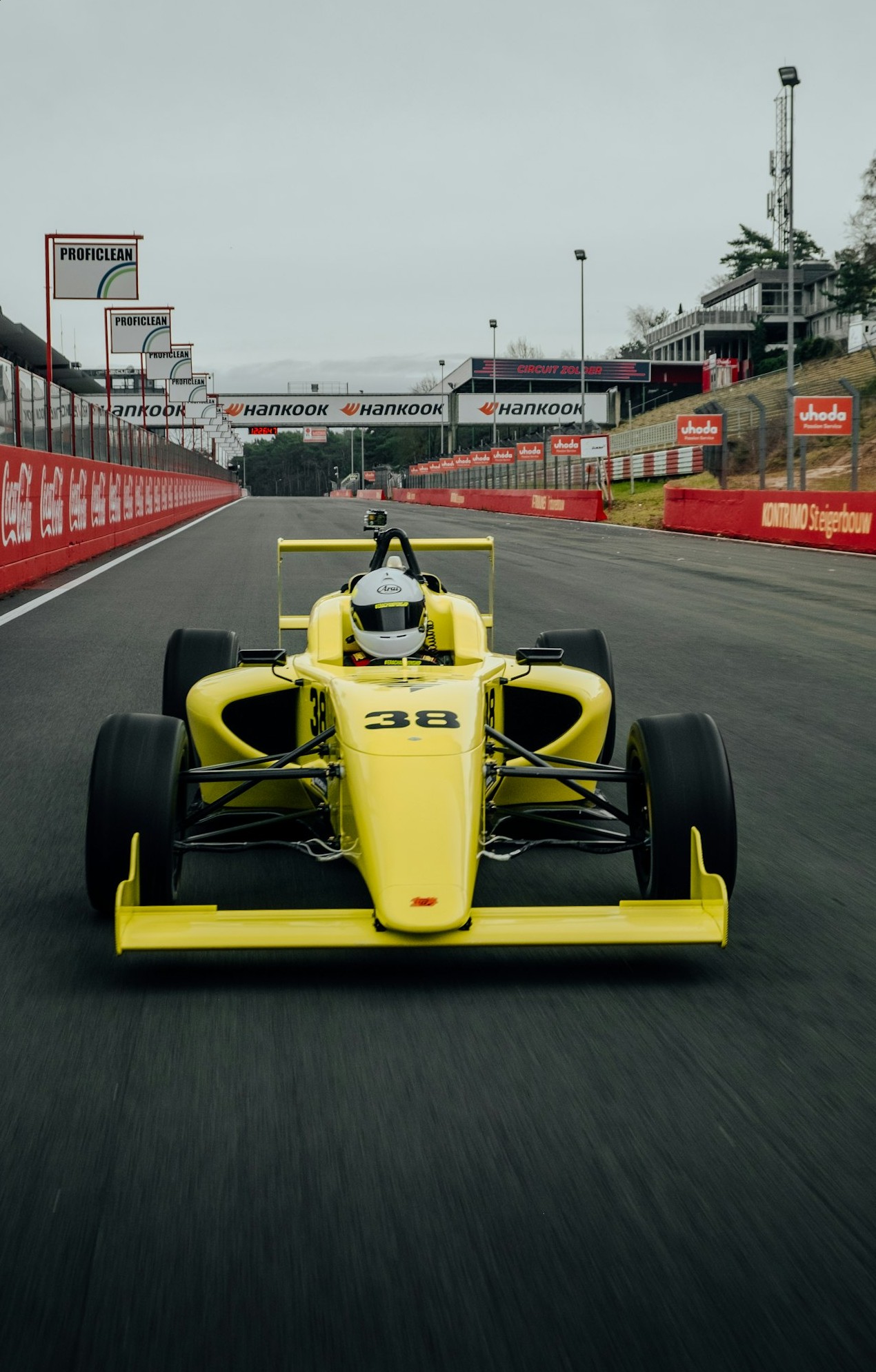
From 1950, World Championship Grand Prix cars formed a continuous technical lineage that readers now associate with Formula 1. Early machines reflected mid-century racing practice: evolving bodywork, mechanical packaging, and circuit-specific choices such as streamliner forms on some cars.
Layout changes
One of the clearest historical transitions is the move from front-engined to rear-engined layouts. That change altered weight distribution and opened new possibilities for aerodynamic and structural design. Later monocoque construction further redefined what a Formula 1 chassis could be.
Regulation-driven design
Formula 1 car history is inseparable from regulations. Engine formulas, aerodynamic limits, materials rules, and safety requirements repeatedly reshape packaging. Turbo eras, electronics waves, V10 periods, and hybrid regulations from 2014 are useful chapters for understanding why silhouettes change.
How to keep reading
Use Eras for decade framing, Legendary Cars for machine profiles, Engineering for systems themes, and Car Evolution for timeline ideas. Suggest additional topics via the contact form.